
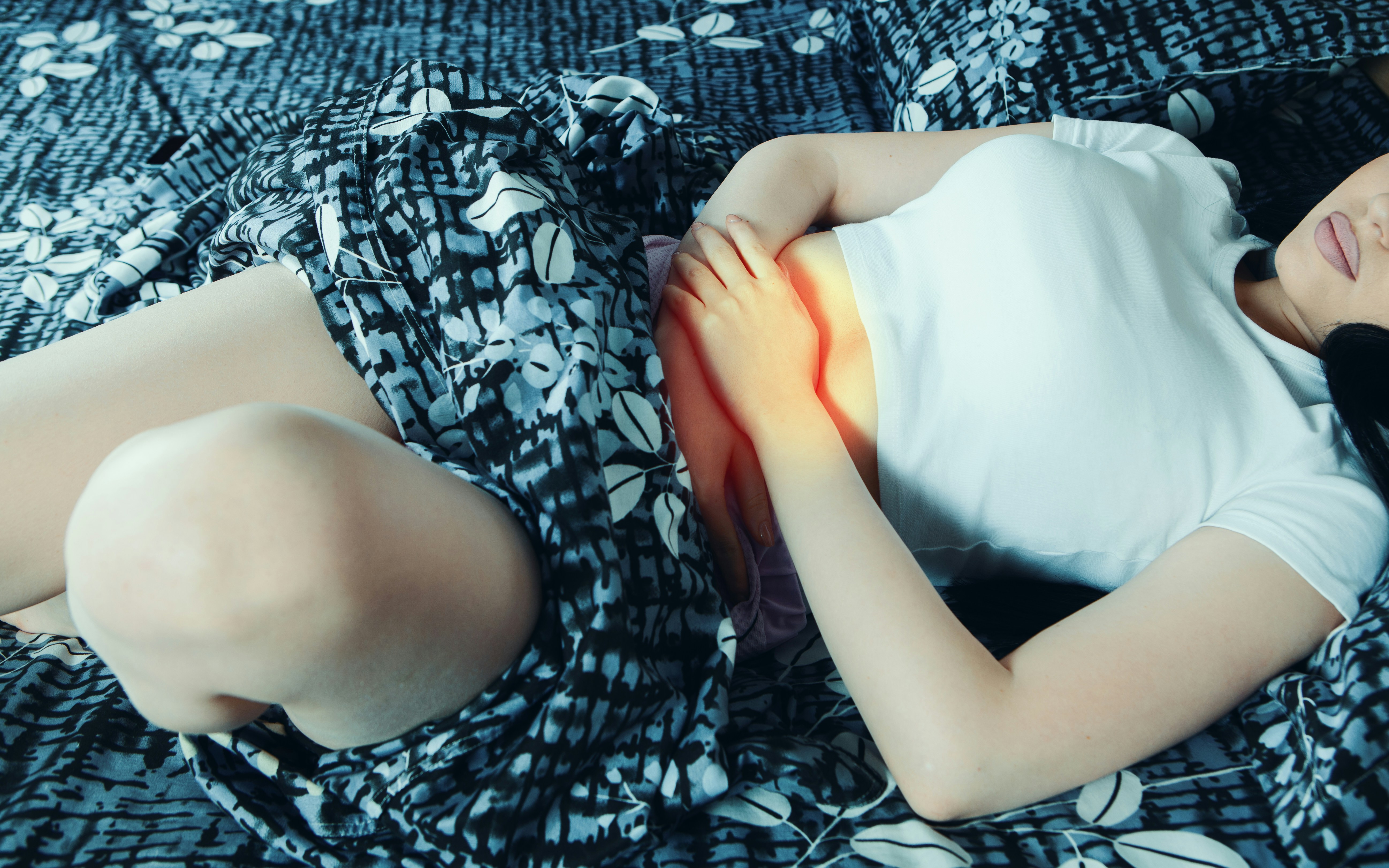
What are Bottom Aches?
Bottom aches typically refer to discomfort or pain experienced in the lower part of the back, buttocks, or surrounding areas. These sensations can be acute or chronic and may manifest in various intensities, ranging from sharp stabs to dull, persistent aching. Individuals often describe this discomfort as throbbing or localized pain, with its severity influenced by multiple factors, including physical activity or prolonged periods spent in sedentary positions.
The term “sore bum cheek” is one way to communicate the discomfort felt specifically in the buttocks, which is a common area affected by bottom aches. This terminology helps in identifying the discomfort more precisely and guides in seeking appropriate treatment. Factors contributing to sore bum cheeks might include prolonged sitting, improper posture, or physical strain due to exercise. For some individuals, particularly those with sedentary occupations, the impact of continuous sitting can lead to muscle fatigue and tension in the gluteal region, resulting in soreness.
It is essential to understand that bottom aches can emerge from various underlying causes, such as muscle strain, nerve compression, or inflammatory conditions affecting the lumbar spine or pelvic regions. Activities like running, cycling, or even engaging in weightlifting can lead to muscular imbalances or overexertion, further exacerbating the discomfort felt in the lower body. Postural issues arising from inconsistent ergonomic practices, especially in work settings, often contribute to the development of these aches.
In summary, recognizing the nature of bottom aches and their common presentations is crucial for implementing effective treatment strategies. Identifying whether the pain stems from sedentary behavior, lack of physical activity, or overexertion is vital in managing one’s discomfort and preventing future episodes. Through understanding these factors, individuals can take proactive steps to mitigate the occurrence of sore bum cheeks and improve their overall well-being.
Common Causes of Bottom Aches
Bottom aches, commonly referred to as discomfort in the gluteal region, can arise from a variety of causes that affect the body’s musculoskeletal or organ systems. One prevalent reason for such discomfort is muscle strain, often resulting from overexertion during physical activities or inappropriate posture. Individuals who engage in strenuous exercises, particularly those involving squats or heavy lifting, may find themselves suffering from a sore bum cheek due to muscle fatigue or tears.
Sciatica represents another significant contributor to bottom aches. This condition is caused by irritation or compression of the sciatic nerve, typically manifesting from a herniated disc in the lumbar spine. Symptoms can include sharp, shooting pain radiating from the lower back through the buttocks and down the legs. Sciatica is more commonly reported among individuals aged 30 to 50 and often affects those with sedentary lifestyles or those who frequently lift heavy objects without proper technique.
Pelvic floor dysfunction can also be a source of bottom aches. This condition arises when the pelvic floor muscles become weakened or tight, potentially leading to discomfort during activities like sitting or exercising. Women may experience this issue during or after pregnancy, while men can face similar problems due to certain medical conditions. Additionally, conditions such as hemorrhoids and prostatitis are notable causes of sore bum cheeks, particularly in older adults. Hemorrhoids can cause pain and swelling around the anal area, while prostatitis, an inflammation of the prostate gland, can contribute to pelvic pain and discomfort in the lower back and buttocks.
Understanding these common causes of bottom aches can empower individuals to seek appropriate interventions and lifestyle adjustments tailored to their specific conditions.
Effective Treatments and Home Remedies
Addressing bottom aches, particularly those resulting in a sore bum cheek, involves a combination of both professional medical treatments and effective home remedies. For persistent or severe pain, consulting a healthcare professional is crucial. A thorough assessment may lead to recommendations for physical therapy, which focuses on exercises designed to strengthen and support the muscles around the pelvic area, alleviating pain. In certain cases, medications such as nonsteroidal anti-inflammatory drugs (NSAIDs) may be prescribed to reduce inflammation and provide relief from discomfort. For specific issues, such as herniated discs or sciatica, injections may perform a critical role, targeting inflammation at the nerve root level.
While professional treatments are beneficial, several home remedies can effectively alleviate soreness in the bum cheek. One widely recommended practice is hot and cold therapy. Applying a heat pack can help relax tight muscles, while ice packs can reduce inflammation and numb sharp pain. Alternating between these two methods may yield the best results for various conditions related to bottom aches.
Incorporating stretching exercises tailored to the lower back and hips can also provide significant relief. Gentle stretches can improve flexibility, reduce tension, and promote circulation in the affected areas. Additionally, lifestyle adjustments, such as maintaining a healthy weight and engaging in regular physical activity, can mitigate contributing factors to pain.
Ensuring ergonomic support while sitting or standing can further aid in preventing exacerbation of bottom aches. Using supportive cushions and maintaining good posture are straightforward yet effective strategies. It is essential to listen to your body and avoid activities that worsen the discomfort. If pain persists despite these self-care practices, seeking medical advice should be a priority to explore further treatment options.
Prevention and Self-Care Tips
Preventing the occurrence of a sore bum cheek or discomfort in that area requires a proactive approach to self-care and lifestyle adjustments. One of the most effective strategies involves maintaining good posture throughout daily activities. Proper alignment of the spine and pelvis helps alleviate undue pressure on the lower body, thereby minimizing the risk of experiencing pain. When sitting, using ergonomically designed chairs that support the lumbar region can significantly contribute to comfort and reduce strain on the muscles and tissues around the bum.
Staying physically active is another essential component in the prevention of bottom aches. Regular exercise, including activities that strengthen the core and lower body, can enhance muscle support and improve overall stability. Incorporating a mix of aerobic exercises with strength training can promote blood circulation, which is crucial in maintaining the health of the muscles surrounding the bum. Aim for a well-rounded fitness routine that balances cardiovascular workouts with strength and flexibility exercises.
Stretching should not be overlooked as a valuable practice; dedicating time to stretching can help combat muscle tightness and improve flexibility. Targeting areas such as the glutes, hamstrings, and hip flexors through gentle stretches can vastly reduce the likelihood of discomfort. Additionally, sitting for prolonged periods should be avoided, as it can lead to increased pressure on the bum and exacerbate discomfort. If work or recreation involves long hours of sitting, make it a point to take regular breaks and stand up to move around every 30 minutes.
Listening to your body is paramount. If you begin to feel discomfort or persistent soreness in the bum cheek area, reassess your activities and routines, taking care to allow adequate recovery time. Elevating your legs, practicing relaxation techniques, and making necessary lifestyle changes can all contribute to your overall well-being and assist in alleviating and preventing future bottom aches.