
Table of Contents
- What Is Type 2 Diabetes?
- Causes and Risk Factors
- Signs and Symptoms
- How Is Type 2 Diabetes Diagnosed?
- Blood Sugar Targets
- Diet for Type 2 Diabetes
- Exercise and Physical Activity
- Medications and Insulin
- Monitoring Blood Glucose
- Complications and How to Prevent Them
- Emotional and Mental Health
- Long-Term Management Tips
- Final Thoughts
1. What Is Type 2 Diabetes?
Type 2 diabetes is a chronic condition in which your body becomes resistant to insulin or doesn’t produce enough insulin to keep blood glucose (sugar) levels in a healthy range. Insulin is the hormone that helps sugar enter cells for energy. Without it functioning correctly, sugar builds up in the bloodstream.
Unlike type 1 diabetes, which usually appears in childhood and is an autoimmune condition, type 2 diabetes typically develops in adulthood, though it’s increasingly seen in children due to rising obesity rates.
2. Causes and Risk Factors
While genetics can play a role, most cases of type 2 diabetes are linked to lifestyle and metabolic factors.
Common risk factors include:
- Being overweight or obese, especially with abdominal fat
- Sedentary lifestyle
- Family history of diabetes
- Age over 45
- High blood pressure
- Abnormal cholesterol levels
- History of gestational diabetes
- Polycystic ovary syndrome (PCOS)
- Poor sleep patterns or sleep apnea
3. Signs and Symptoms
Type 2 diabetes often develops gradually, and many people don’t notice symptoms until the condition is advanced.
Typical early signs include:
- Increased thirst and hunger
- Frequent urination
- Fatigue
- Blurred vision
- Tingling or numbness in hands and feet
- Slow-healing wounds
- Recurring infections
- Dark patches of skin (acanthosis nigricans)
Related: [Early Signs of Diabetes You Shouldn’t Ignore]
4. How Is Type 2 Diabetes Diagnosed?
Diagnosis involves a blood test to check your glucose levels. The most common tests include:
- Fasting Blood Sugar: Diabetes if ≥ 126 mg/dL after 8 hours without eating.
- HbA1c Test: Shows average glucose over the last 2–3 months. Diabetes is diagnosed at ≥ 6.5%.
- Oral Glucose Tolerance Test (OGTT): Measures response to a sugary drink. Diabetes is diagnosed if blood sugar ≥ 200 mg/dL after 2 hours.
5. Blood Sugar Targets
Blood sugar goals may vary depending on age, health conditions, and other factors. But general targets include:
| Time of Day | Target Level |
| Fasting/Before meals | 80–130 mg/dL |
| 1–2 hours after meals | <180 mg/dL |
| HbA1c | <7.0% (individualized) |
Consult with your healthcare provider to set personalized targets.
6. Diet for Type 2 Diabetes
Your diet plays a significant role in managing blood sugar levels. A diabetes-friendly meal plan focuses on:
Foods to Prioritize:
- Non-starchy vegetables (leafy greens, broccoli, peppers)
- Lean proteins (chicken, turkey, tofu, legumes)
- Whole grains (quinoa, oats, brown rice)
- Healthy fats (avocados, nuts, olive oil)
- Low-glycemic fruits (berries, apples)
Foods to Limit or Avoid:
- Refined carbs (white bread, pastries)
- Sugary drinks and sodas
- Processed snacks
- High-sugar desserts
Use the “plate method” — half vegetables, one-quarter protein, and one-quarter whole grains.
Related: [Type 2 Diabetes Meal Planning Tips]
7. Exercise and Physical Activity
Regular movement helps insulin work more effectively and lowers blood sugar naturally.
Recommended Activity:
- Aerobic exercise: 30–60 minutes/day, 5 days/week (e.g., brisk walking, cycling)
- Resistance training: 2–3 times/week to improve insulin sensitivity
- Flexibility and balance: Yoga or tai chi can also reduce stress and improve glucose levels
Even short walks after meals can help reduce post-meal blood sugar spikes.
Related: [Best Exercises for Type 2 Diabetes]
8. Medications and Insulin
When lifestyle changes aren’t enough, medication may be prescribed.
Common diabetes medications include:
- Metformin: Often the first-line drug; reduces liver glucose production
- GLP-1 receptor agonists (e.g., Ozempic, Trulicity): Help weight loss and glucose control
- SGLT2 inhibitors (e.g., Jardiance): Help the kidneys remove sugar in urine
- DPP-4 inhibitors: Increase insulin after meals
- Insulin therapy: May be needed in later stages
Always follow your doctor’s prescription and don’t stop medication without guidance.
9. Monitoring Blood Glucose
Keeping track of your blood sugar helps you see patterns and make adjustments.
Ways to monitor:
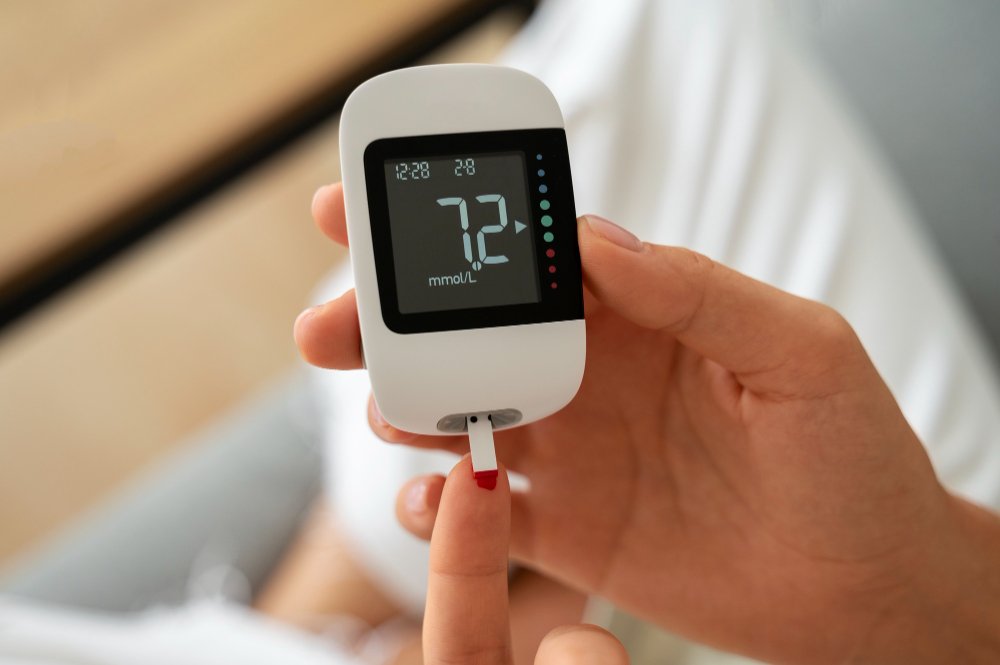
- Fingerstick monitors: Use a glucometer for instant readings
- Continuous glucose monitors (CGMs): Track glucose in real-time via a sensor
Keep a log of your readings, meals, exercise, and medications.
10. Complications and How to Prevent Them
If left unmanaged, type 2 diabetes can lead to serious complications, including:
- Heart disease and stroke
- Kidney disease (nephropathy)
- Nerve damage (neuropathy)
- Eye problems (retinopathy)
- Foot ulcers or amputations
How to prevent complications:
- Keep blood sugar, blood pressure, and cholesterol in target range
- Quit smoking
- Get regular eye and foot exams
- Take medications as prescribed
➡️ Related: [What Causes Type 2 Diabetes?]
11. Emotional and Mental Health
Living with diabetes can be overwhelming. Anxiety, depression, and “diabetes burnout” are real concerns.
Tips for mental wellness:
- Talk to a therapist or counselor
- Join diabetes support groups
- Practice mindfulness, meditation, or breathing exercises
- Celebrate small wins in your journey
12. Long-Term Management Tips
Managing diabetes is a marathon, not a sprint. Consistency matters.
Tips for success:
- Schedule regular checkups
- Use a diabetes app to track health data
- Educate yourself and stay updated
- Involve family and friends in your care
- Build healthy habits one step at a time
13. Final Thoughts
Type 2 diabetes is a serious condition, but with the right tools, knowledge, and support, you can live a long, healthy life. Start with simple changes: eat balanced meals, get active, monitor your levels, and follow your healthcare provider’s advice. Every step you take empowers you to take control of your health.
References
- American Diabetes Association. Standards of Medical Care in Diabetes—2024. Diabetes Care.
- Centers for Disease Control and Prevention. Diabetes Basics.
- National Institute of Diabetes and Digestive and Kidney Diseases. What is Diabetes?
- Harvard Health Publishing. The importance of diet and exercise in diabetes.
- Mayo Clinic. Type 2 diabetes
- World Health Organization. Diabetes Fact Sheet
Pingback: Early Signs of Type 2 Diabetes You Shouldn’t Ignore - Health Basics Hub
Pingback: How to Reverse Type 2 Diabetes Naturally (What Science Says) - Health Basics Hub
Pingback: Prediabetes — What It Is and How to Reverse It - Health Basics Hub
Pingback: What Causes Type 2 Diabetes? The Science Explained - Health Basics Hub