
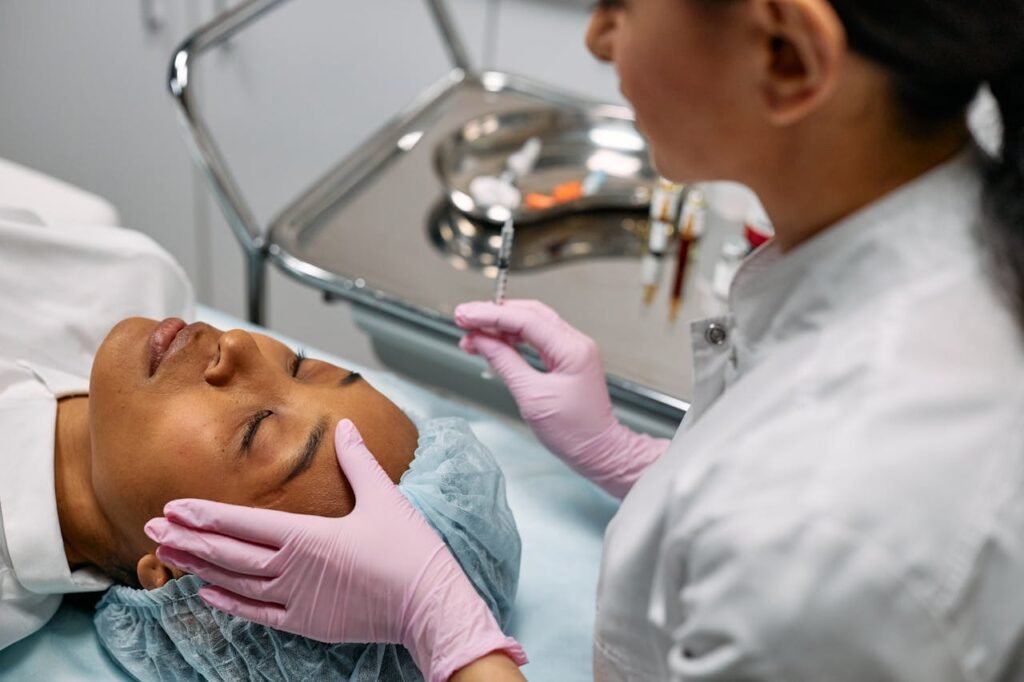
Looking for a way to achieve youthful, lifted skin without going under the knife? HIFU facial treatment is a non-surgical facelift alternative that uses high-intensity focused ultrasound technology to tighten and rejuvenate your skin. This FDA-approved treatment has revolutionized the anti-aging industry since 2009, offering remarkable results at a fraction of the cost of traditional facelifts ($1,707 vs. $7,562 on average). Whether you’re concerned about: • Mild to moderate skin laxity, • Early signs of aging • Sagging facial contours, • Loss of skin elasticity, HIFU might be your answer to achieving natural-looking results without surgery or downtime. This comprehensive guide will explore how HIFU works, what to expect during treatment, and why it’s becoming the preferred choice for those seeking non-invasive facial rejuvenation. Let’s discover if this innovative treatment is right for you.
Key Takeaways:
- – HIFU (High-Intensity Focused Ultrasound) effectively treats mild to moderate skin laxity without invasive surgery, making it an excellent option for those seeking natural-looking results.
- – The treatment works by delivering high-frequency ultrasound beams to specific tissue sites at different depths of your skin, stimulating collagen production and reducing facial wrinkles.
- – With minimal recovery time, patients can return to normal activities immediately after treatment, unlike surgical alternatives that require extensive downtime.
- – The procedure is FDA-approved and costs significantly less than traditional facelifts ($1,707 compared to $7,562), making it a more accessible option for facial rejuvenation.
- – Clinical studies show promising results in treating signs of aging, with high patient satisfaction rates and visible improvements in skin tightening and facial lifting.
Understanding HIFU Technology
High-Intensity Focused Ultrasound (HIFU) represents a groundbreaking advancement in non-invasive facial rejuvenation. This innovative technology harnesses the power of ultrasound energy to target specific layers of skin tissue without affecting the surface.
How HIFU Works
HIFU delivers concentrated ultrasound energy to precise depths beneath the skin. This energy creates controlled thermal damage points that stimulate the body’s natural healing response. When these healing mechanisms kick in, they trigger increased collagen production – the protein responsible for skin’s firmness and elasticity.
The Science Behind Tissue Targeting
The technology uses multiple transducers to focus ultrasound waves at specific depths. These waves converge at predetermined focal points, creating precise thermal coagulation zones. This targeted approach ensures that only the intended tissue layers receive treatment while leaving surrounding areas unaffected.
Temperature Control and Safety
HIFU maintains optimal temperature levels between 65-75°C during treatment in the target zones. This precise temperature control ensures effective collagen stimulation while preventing damage to surrounding tissues. The surface skin remains cool and protected throughout the procedure.
Advanced Imaging Technology
Modern HIFU devices incorporate real-time ultrasound imaging, allowing practitioners to visualize the treatment areas before and during the procedure. This visualization ensures accurate targeting and helps achieve optimal results while maintaining safety standards.
💡 Key Takeaway: HIFU technology offers precise, controlled skin tightening through focused ultrasound energy, stimulating natural collagen production while protecting surface skin and requiring no downtime.
How HIFU Transforms Your Skin
HIFU facial treatment delivers focused ultrasound energy deep into the skin’s foundational layers. This innovative technology penetrates precisely where it matters most without disturbing the surface of your skin.
The Science Behind Skin Transformation
The ultrasound energy creates controlled micro-injuries in the deeper skin layers, specifically targeting the SMAS (Superficial Muscular Aponeurotic System) layer. This is the same layer that plastic surgeons manipulate during traditional facelifts. When the ultrasound waves hit this layer, they create thermal coagulation points.
These precise thermal injuries trigger your body’s natural healing response. Your skin cells immediately begin producing fresh collagen and elastin – the two essential proteins that maintain the skin’s firmness and elasticity.
Immediate and Long-Term Effects
Right after the treatment, you might notice some initial tightening. However, the real magic happens over the next 2-3 months. During this period, your skin continuously produces new collagen, leading to:
– Gradual lifting of facial contours
– Improved skin texture and firmness
– Reduced appearance of fine lines
– Enhanced skin elasticity
– More defined jawline
The Three-Layer Impact
HIFU uniquely targets three different depths of your skin:
1. Superficial Layer (1.5mm): Addresses fine lines and surface texture
2. Mid-Layer (3.0mm): Focuses on skin firmness and elasticity
3. Deep Layer (4.5mm): Targets the SMAS layer for lifting effects
Collagen Remodeling Process
The treatment initiates a process called neocollagenesis – the formation of new collagen. This process continues several months after the treatment, explaining why the results keep improving. The newly formed collagen helps:
– Strengthen skin structure
– Improve skin density
– Create natural-looking lift
– Enhance skin quality
Experience a Gradual and Natural Transformation with HIFU
💡 Key Takeaway: HIFU facial treatment works through precise ultrasound energy delivery, triggering natural collagen production at multiple skin depths for gradual, lasting improvements in skin firmness, texture, and overall appearance.
Benefits of HIFU Over Traditional Facelifts
Non-Invasive Nature
HIFU facial treatment is a revolutionary alternative to traditional facelifts, primarily due to its non-surgical approach. Unlike conventional facelifts that require incisions and general anesthesia, HIFU uses focused ultrasound energy to penetrate deep into the skin layers without breaking the surface. This means no cuts, no stitches, and significantly reduced risks associated with surgical procedures.
Minimal Recovery Time
One of the most appealing aspects of HIFU is its minimal downtime. While traditional facelift patients typically need 2-4 weeks for recovery, HIFU allows you to return to your daily activities immediately after treatment. You might experience mild redness or swelling, but these effects usually subside within a few hours to days.
Cost-Effectiveness
Traditional facelifts can cost anywhere between $7,000 to $15,000, making them a significant financial investment. In contrast, HIFU treatments, averaging around $1,700 per session, offer a more affordable option for those seeking facial rejuvenation. While multiple sessions might be needed for optimal results, the overall cost remains considerably lower than surgical alternatives, empowering you to invest in your skin without breaking the bank.
Natural-Looking Results
HIFU stimulates your body’s natural collagen production process, leading to gradual and natural-looking improvements. Unlike surgical facelifts that can sometimes result in an overly tight or ‘pulled’ appearance, HIFU results develop progressively over 2-3 months, creating subtle yet noticeable enhancement in skin firmness and texture. This natural progression will reassure you that your skin is improving in a way that looks and feels authentic.
Safety Profile
The treatment boasts an impressive safety record with minimal risk of complications. Since HIFU doesn’t involve incisions or foreign substances, there’s no risk of surgical complications, infections, or adverse reactions to anesthesia. The FDA-approved technology has been extensively studied and proven safe for facial rejuvenation.
Versatility
HIFU can target multiple areas in a session, including the neck, jawline, cheeks, and brow area. This versatility allows for comprehensive facial rejuvenation without requiring different surgical procedures. The treatment can also be combined with other non-invasive treatments for enhanced results.
💡 Key Takeaway: HIFU offers a safe, cost-effective, and non-invasive alternative to traditional facelifts, providing natural-looking results with minimal downtime and the flexibility to treat multiple facial areas simultaneously.
Clinical Evidence and Results
Scientific Studies Supporting HIFU’s Effectiveness
Multiple clinical studies have demonstrated the remarkable efficacy of HIFU facial treatments. A groundbreaking 2017 study published in the Journal of Cosmetic and Laser Therapy showed significant improvements in skin elasticity and facial contouring among participants. The research revealed that 94% of subjects experienced noticeable skin-tightening effects after one session.
Measurable Outcomes
Clinical data indicates that HIFU treatments can achieve up to 30% skin tightening in targeted areas. Patients typically observe initial results within 2-3 months post-treatment, with continued improvement for up to 6 months. The collagen-stimulating effects can last between 12-18 months, depending on individual factors like age, lifestyle, and skincare routine.
Patient Satisfaction Rates
Research conducted across multiple clinics shows consistently high satisfaction rates among HIFU patients. A comprehensive study involving 115 participants reported that:
– 85% experienced visible skin tightening
– 90% noticed improved facial contours
– 88% would recommend the treatment to others
– 92% reported minimal to no discomfort during the procedure
Documented Safety Profile
Clinical evidence supports HIFU’s safety record when performed by qualified practitioners. A long-term study tracking patients over three years found minimal adverse effects, with temporary redness and slight swelling being the most common side effects, typically resolving within 24-48 hours.
Treatment Success Factors
Research indicates that optimal results are achieved when:
– Patients fall within the recommended age range (30-65 years)
– Skin laxity is mild to moderate
– Treatment protocols are precisely followed
– Proper post-treatment care is maintained
💡 Key Takeaway: Clinical studies consistently demonstrate HIFU’s effectiveness for non-surgical facial rejuvenation, with high patient satisfaction rates and documented skin tightening and facial contouring improvements.
Treatment Process and Areas
Pre-Treatment Consultation
Before undergoing a HIFU facial treatment, you’ll have a thorough consultation with a qualified practitioner. During this session, they’ll assess your skin condition, discuss your aesthetic goals, and determine if you’re an ideal candidate for the procedure. They’ll also explain potential risks and set realistic expectations for results.
Step-by-Step Treatment Process
The HIFU treatment begins with cleansing your face thoroughly. Your practitioner will then apply a gel to help the ultrasound device glide smoothly across your skin. Using the handheld device, they’ll deliver focused ultrasound energy to specific depths beneath your skin’s surface.
The procedure typically takes 30-90 minutes, depending on the treatment areas. While you might feel slight discomfort or a warming sensation, most patients find it tolerable. Some practitioners offer topical numbing cream to enhance comfort during the procedure.
Target Treatment Areas
HIFU effectively treats multiple facial areas, including:
– Forehead and brow area
– Under-eye region
– Cheeks and mid-face
– Jawline and jowls
– Neck and décolletage
– Nasolabial folds (smile lines)
Post-Treatment Care
After your HIFU session, you can immediately return to your daily activities. Some patients experience mild redness, swelling, or tingling, typically subsiding within a few hours. Your practitioner will provide specific aftercare instructions, including:
– Avoiding direct sun exposure
– Staying hydrated
– Using gentle skincare products
– Avoiding strenuous exercise for 24-48 hours
Expected Timeline
While some patients notice immediate improvements, optimal results typically develop over 2-3 months as collagen production increases. The effects can last up to 12-18 months. However, individual results may vary based on age, lifestyle, and skin condition.
💡 Key Takeaway: HIFU facial treatment is a straightforward process targeting multiple facial areas, with minimal downtime and gradual results appearing over 2-3 months, lasting up to 18 months with proper aftercare.
Ideal Candidates for HIFU
HIFU facial treatments work best for specific individuals who meet certain criteria. Understanding if you’re an ideal candidate can help set realistic expectations and ensure optimal results.
Age and Skin Condition
The treatment is particularly effective for individuals between 30 and 65 years old. At this age range, the skin has begun showing signs of aging. Still, it maintains enough elasticity to respond well to collagen stimulation. People with mild to moderate skin laxity typically see the best results.
Health Requirements
Good overall health is essential for HIFU treatment. Your skin should be free from active infections, severe acne, or open wounds. Those with certain medical conditions, such as uncontrolled diabetes or autoimmune disorders, should consult their healthcare provider before proceeding.
Not Suitable For
HIFU isn’t recommended for everyone. Pregnant women, individuals with metal implants in the treatment area, or those with severe skin sagging might need to explore alternative options. People with very thin skin or multiple severe sun damage may also not be ideal candidates.
Lifestyle Factors
The best candidates maintain a healthy lifestyle, don’t smoke, and follow a good skincare routine. These factors can significantly impact the treatment’s effectiveness and longevity of results. Regular sun protection and proper skin hydration are essential habits for optimal outcomes.
Realistic Expectations
Ideal candidates understand that HIFU is not a surgical facelift alternative for severe cases. They have realistic expectations about gradual improvements and are committed to maintaining results through proper skin care and possible maintenance treatments.
💡 Key Takeaway: HIFU works best for healthy individuals aged 30-65 with mild to moderate skin laxity, who maintain good skincare habits and have realistic expectations about treatment outcomes.
Safety and Side Effects
HIFU facial treatments are generally considered safe when performed by qualified professionals. However, like any cosmetic procedure, it’s essential to understand potential risks and temporary side effects that may occur.
Common Side Effects
Most patients experience mild and temporary side effects after HIFU treatment. These typically include slight redness, minor swelling, and tingling sensations in the treated areas. Some people might also notice temporary numbness or tenderness, which usually subsides within a few hours to days.
Rare Complications
In rare instances, more serious side effects can occur. These may include temporary nerve damage, facial muscle weakness, or small welts in the treated area. However, these complications are uncommon and typically resolve independently within a few weeks.
Minimizing Risks
Proper patient screening and practitioner expertise are the key to a safe HIFU treatment. Choose a certified clinician with extensive experience in HIFU procedures. They should thoroughly review your medical history and assess your skin condition before proceeding with the treatment.
Recovery Guidelines
Following your practitioner’s post-treatment instructions is crucial for optimal healing. This includes:
– Avoiding direct sun exposure for several days
– Staying hydrated
– Using gentle skincare products
– Avoiding strenuous exercise for 24-48 hours
– Refraining from applying makeup immediately after treatment
💡 Key Takeaway: When qualified professionals perform HIFU, facial treatments are generally safe with minimal side effects. However, following proper aftercare guidelines is essential for optimal results and recovery.
Conclusion
As we’ve explored, HIFU facial treatment is a revolutionary solution for those seeking younger-looking skin without surgical intervention. With its proven track record of success, minimal downtime, and impressive patient satisfaction rates, it’s no wonder this non-invasive treatment has become a go-to choice for addressing skin laxity and signs of aging. Whether dealing with early signs of aging or moderate skin laxity, HIFU offers a safe, effective path to facial rejuvenation. The treatment’s ability to target specific tissue sites at different depths of your skin while stimulating natural collagen production makes it a promising alternative to traditional facelifts. Ready to explore HIFU facial treatment for yourself? Consult a qualified professional to determine if this innovative procedure aligns with your aesthetic goals. Remember, investing in your skin is investing in your confidence. HIFU provides a practical way to achieve natural-looking results without the risks and recovery time associated with surgery.
FAQs
Is HIFU facial treatment painful?
HIFU facial treatment may cause mild discomfort, with patients typically experiencing a slight tingling or warming sensation. The level of discomfort varies from person to person, but most find it tolerable. Some clinics offer numbing cream to enhance comfort during the procedure.
How long does a HIFU facial session take?
A typical HIFU facial session lasts between 30-90 minutes, depending on the treatment area and specific concerns being addressed. The face and neck area usually takes about 60 minutes, while treating a smaller area might require less time.
How many HIFU treatments do I need to see results?
Most patients achieve optimal results with just one HIFU treatment session. However, depending on skin laxity and individual aging patterns, some might benefit from 2-3 sessions spaced 6-12 months apart for maintenance.
Can HIFU be combined with other facial treatments?
HIFU can be safely combined with other non-invasive treatments like dermal fillers, Botox, or facial peels. However, it’s important to space out these treatments appropriately and consult with your aesthetician for a personalized treatment plan.
What’s the ideal age to start HIFU treatments?
HIFU is most effective for people aged 30-70 with mild to moderate skin laxity. Younger persons might not see dramatic results, while those with advanced skin laxity might require surgical alternatives for optimal outcomes.
Are there any post-treatment restrictions?
After HIFU treatment, you can immediately return to normal activities. However, avoiding intense heat exposure, strenuous exercise, and direct sunlight for 24-48 hours is recommended. Maintaining good skin hydration is also essential for optimal results.