
Exercise isn’t just for weight loss or building strength—it’s one of the most effective non-drug treatments for high blood pressure. Regular physical activity can lower your blood pressure as much as some medications.
If you’ve been diagnosed with hypertension or are looking to prevent it, understanding how movement affects your cardiovascular system is essential. This article examines the relationship between exercise and blood pressure, identifies the types of exercise that are most beneficial, and outlines how to establish a routine that supports heart health.
How Exercise Helps Lower Blood Pressure
When you exercise, your heart pumps more efficiently and your blood vessels expand to allow better blood flow. Over time, these effects lead to lower systolic and diastolic blood pressure.
Here’s how exercise helps:
- Improves blood vessel flexibility
- Reduces arterial stiffness
- Enhances insulin sensitivity
- Promotes weight loss
- Lowers stress hormones like cortisol and adrenaline
According to the American Heart Association, regular aerobic exercise can lower systolic blood pressure (the top number) by 5–8 mmHg in people with hypertension.
Best Types of Exercise for High Blood Pressure
1. Aerobic Exercise (Cardio)
Cardio is the most researched and effective form of exercise for managing high blood pressure. Examples include:
- Brisk walking
- Jogging
- Cycling
- Swimming
- Dancing
How much?
Aim for at least 150 minutes per week of moderate-intensity aerobic activity (e.g., 30 minutes a day, 5 days a week).
2. Resistance (Strength) Training
While not as effective as cardio in directly lowering blood pressure, strength training builds lean muscle mass, improves metabolism, and supports overall cardiovascular health.
Include exercises like:
- Weightlifting
- Bodyweight exercises (e.g., push-ups, squats, lunges)
- Resistance band workouts
Recommendation:
Do resistance training at least 2 non-consecutive days per week, focusing on all major muscle groups.
3. Isometric Exercises
Recent studies show that isometric handgrip exercises can help reduce systolic blood pressure. These involve holding a muscle contraction without movement.
- Example: Squeezing a grip device or towel for 2 minutes at a time, 3–4 times per session
- Do this 3 times a week for 8–10 weeks for measurable results
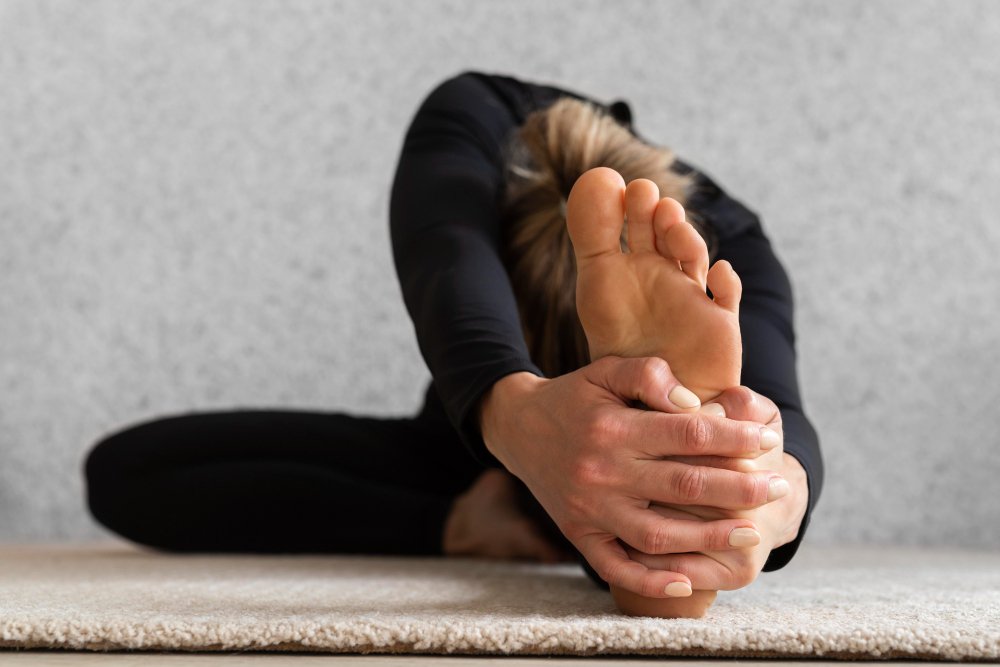
4. Yoga and Stretching
While not a replacement for cardio, yoga can improve flexibility, reduce stress, and help regulate the nervous system. Lower stress means fewer blood pressure spikes.
Focus on:
- Breathing exercises (pranayama)
- Gentle flows like Hatha or Yin yoga
- Stretching routines to promote circulation
Tips for Starting an Exercise Routine
✔️ Talk to Your Doctor First
Especially if your blood pressure is above 180/110 mmHg or you have other medical conditions.
✔️ Start Slow and Build Gradually
Begin with light activity, such as walking, and gradually increase the intensity.
✔️ Track Your Progress
Keep a log of your workouts and regularly monitor your blood pressure.
✔️ Stay Hydrated
Drink water before, during, and after exercise to support circulation.
✔️ Warm-Up and Cool Down
Each session should begin with 5 minutes of gentle movement and end with stretching to prevent injury and aid recovery.
How Much is Too Much?
While regular exercise is beneficial, overtraining or pushing too hard can temporarily raise blood pressure. Avoid:
- Exercising when dehydrated
- Lifting hefty weights with poor form
- Overexerting in hot or humid environments
Moderation and consistency are key.
When to Avoid Exercise
Do not exercise if:
- Your resting systolic BP is above 200 mmHg or diastolic is above 120 mmHg
- You feel chest pain, dizziness, or shortness of breath
- You’ve recently had a cardiovascular event and haven’t been cleared by your doctor
Always listen to your body and adjust your routine if needed.
Incorporating Movement Into Daily Life
Not all exercise needs to take place at the gym. Try these lifestyle-friendly options:
- Take the stairs instead of the elevator
- Park farther away and walk
- Do house chores vigorously
- Use a standing desk or take walking meetings
Every bit of movement helps lower blood pressure over time.
Conclusion
Exercise is one of the most powerful tools you have to manage high blood pressure naturally. By staying active with a mix of aerobic, resistance, and stretching exercises, you support a healthy heart, better circulation, and a more balanced cardiovascular system.
Start slow, be consistent, and make movement a habit. Over time, you’ll see not only lower blood pressure numbers but also better energy, mood, and quality of life.
Related: Hypertension Complications You Should Know About
Related: DASH Diet for Hypertension
📚 References
- American Heart Association. Recommendations for Physical Activity in Adults
- Cornelissen VA, Smart NA. “Exercise training for blood pressure: a systematic review and meta‐analysis.” J Am Heart Assoc. 2013
- Mayo Clinic. High blood pressure and exercise
- Carlson DJ, et al. “Isometric exercise training for blood pressure management.” Mayo Clin Proc. 2014
- Brook RD, et al. “Beyond medications and diet: alternative approaches to lowering blood pressure.” J Clin Hypertens. 2013
Pingback: How Stress Affects High Blood Pressure - Health Basics Hub
Pingback: The Ultimate Guide to Managing High Blood Pressure - Health Basics Hub