
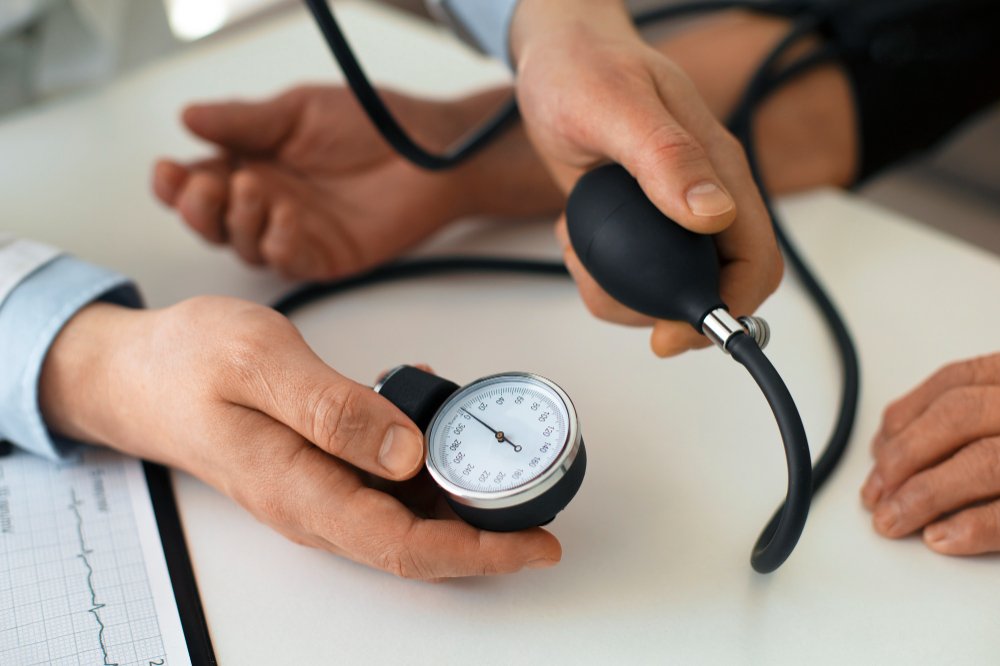
High blood pressure (hypertension) is known as the “silent killer” because it can develop gradually and without apparent symptoms. Many people don’t realize they have high blood pressure until serious complications occur, such as a heart attack or stroke.
However, some early warning signs may indicate your blood pressure is consistently elevated. Recognizing these early warning signs of high blood pressure can help you take action before irreversible damage occurs.
Frequent Headaches
One of the most prominent early signs of high blood pressure is persistent or severe headaches, especially in the morning. This is particularly true during a hypertensive crisis (systolic >180 mm Hg or diastolic >120 mm Hg), where blood vessels in the brain may become strained or damaged.
Dizziness or Lightheadedness
Feeling dizzy or lightheaded occasionally can have many causes, but when accompanied by high blood pressure readings, it may signal that blood flow to the brain is being affected. Sudden pressure drops, known as orthostatic hypotension, can also occur in people on antihypertensive medications.
Vision Problems
Blurred vision, seeing spots, or sudden loss of vision may indicate hypertensive retinopathy—damage to the blood vessels in the eyes resulting from elevated blood pressure. If you notice any changes in your sight, get evaluated immediately.
Chest Pain or Tightness
While not always caused by high blood pressure, chest discomfort may indicate your heart is working too hard to pump blood through narrowed or stiffened arteries. This is a red flag for cardiovascular complications and should never be ignored.
Shortness of Breath
Unexplained shortness of breath, especially during mild exertion or while lying down, may suggest left ventricular hypertrophy or heart failure due to long-term hypertension. If this symptom appears, it requires prompt medical evaluation.
Irregular Heartbeat (Arrhythmia)
High blood pressure can alter the electrical activity in the heart, leading to palpitations or an irregular heartbeat. This increases the risk of atrial fibrillation and stroke, particularly in older adults.
Fatigue or Confusion
Reduced blood flow to the brain caused by elevated pressure can lead to cognitive changes such as:
- Brain fog
- Trouble concentrating
- Low energy
Chronic fatigue in people with other risk factors (e.g., obesity, poor sleep) may be a warning sign.
Nosebleeds
Though not common, frequent or unexplained nosebleeds may occur in individuals with uncontrolled high blood pressure. While most nosebleeds are harmless, recurring episodes warrant a blood pressure check.
Blood in the Urine
High blood pressure can damage the kidneys, leading to microscopic or visible blood in the urine. This can be an early sign of hypertensive nephropathy, which may progress to chronic kidney disease if left untreated.
Related: The Ultimate Guide to Managing High Blood Pressure
Numbness or Tingling
Numbness or weakness—especially on one side of the body—may signal a transient ischemic attack (TIA) or stroke. Hypertension is the leading cause of stroke worldwide. Don’t wait: seek emergency care immediately if this occurs.
Why Most People Don’t Notice Symptoms
Most people with hypertension do not experience any of the above signs, especially in the early stages. That’s why routine blood pressure screening is essential—even if you feel fine.
Risk factors that increase your likelihood of developing high blood pressure:
- Age over 40
- Family history of hypertension
- Sedentary lifestyle
- High salt or processed food intake
- Excess alcohol or tobacco use
- Stress or anxiety
- Obesity or insulin resistance
Related: How Stress Affects Blood Pressure
When to Seek Medical Attention
Call 911 or go to the ER if you experience:
- Sudden chest pain
- Vision loss
- Severe headache with confusion
- Facial drooping, slurred speech, or limb weakness
- Blood pressure >180/120 mm Hg
These may indicate a hypertensive crisis or stroke.
Takeaway: Don’t Wait for Symptoms
The only reliable way to determine if you have high blood pressure is to measure it regularly using a calibrated blood pressure monitor. Don’t rely on symptoms alone—by the time you feel them, damage may already be occurring.
If you experience any of the above warning signs or are at risk for hypertension, talk to your healthcare provider. Early detection and lifestyle changes can prevent complications and protect your long-term health.
📚 References
- Whelton PK, et al. “2017 ACC/AHA Hypertension Guideline.” Hypertension. 2018;71:e13-e115.
- National Heart, Lung, and Blood Institute. High Blood Pressure Symptoms.
- Mayo Clinic. High Blood Pressure (Hypertension).
- CDC. High Blood Pressure Symptoms and Causes.
- American Heart Association. Understanding Blood Pressure Readings.
Pingback: 7 Essential Tips for Managing High Blood Pressure
Pingback: DASH Diet for Hypertension: What It Is and How It Works - Health Basics Hub