
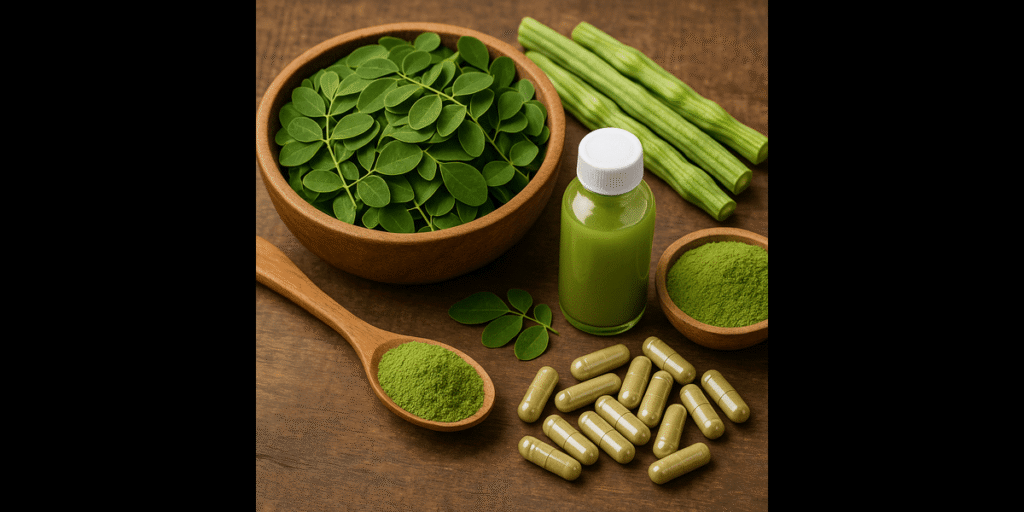
Discover the incredible health benefits of moringa, the ultimate superfood. From boosting immunity to improving skin, explore 17 powerful reasons to add moringa to your daily routine.
What is Moringa? A Superfood from Nature
Moringa, often called the “miracle tree,” is a fast-growing plant native to parts of Africa and Asia. Scientifically known as Moringa oleifera, it’s packed with nutrients and has been used for centuries in traditional medicine.
Also referred to as the drumstick tree, horseradish tree, or ben oil tree, every part of the moringa plant—leaves, seeds, pods, and even roots—offers some medicinal or nutritional value. Thanks to its rich nutrient content, moringa is now gaining popularity as a top-tier superfood globally.
Nutritional Composition of Moringa
Moringa leaves, in particular, are nutrient-dense and contain:
- Vitamins: A, B1 (thiamine), B2 (riboflavin), B3 (niacin), B6, C, and E
- Minerals: Calcium, potassium, magnesium, iron, phosphorus, and zinc
- Proteins: All nine essential amino acids
- Antioxidants: Quercetin, chlorogenic acid, beta-carotene
Comparison with Other Superfoods
| Nutrient | Moringa | Spinach | Kale |
|---|---|---|---|
| Vitamin A | High | Moderate | High |
| Iron | Very High | Moderate | Moderate |
| Calcium | High | Moderate | Moderate |
| Protein | High | Low | Low |
Moringa stands out due to its unique combination of protein, vitamins, and minerals, making it superior to many common leafy greens.
Different Parts of the Moringa Plant
Every part of the moringa tree is useful:
- Leaves: Eaten fresh or dried; used in teas and powders.
- Seeds: Pressed for oil or consumed for cleansing purposes.
- Pods: Also called drumsticks, used in Indian curries and soups.
- Flowers: Edible and rich in amino acids.
- Roots: Have medicinal uses but must be consumed cautiously.
Top 17 Health Benefits of Moringa
1. Boosts Immune System
Thanks to its high vitamin C content and antioxidants, moringa helps the body fend off infections and supports overall immunity.
2. Regulates Blood Sugar Levels
Studies show moringa may help lower blood sugar levels, making it beneficial for those managing type 2 diabetes.
3. Enhances Digestive Health
With rich fiber content, moringa promotes healthy digestion and relieves constipation.
4. Improves Skin and Hair Health
The high levels of vitamins A and E, along with collagen-boosting nutrients, contribute to healthier skin and hair.
5. Supports Brain Function
Antioxidants in moringa, like quercetin, protect brain tissue and may reduce the risk of Alzheimer’s disease.
6. Reduces Inflammation
Anti-inflammatory compounds in moringa help reduce swelling and chronic inflammation, which is linked to many diseases.
7. Promotes Heart Health
By lowering cholesterol and blood pressure, moringa contributes to better cardiovascular health.
8. Aids Weight Loss
It can increase metabolism and reduce fat absorption, assisting with weight management.
9. Strengthens Bones
Rich in calcium and phosphorus, moringa supports bone density and prevents osteoporosis.
10. Improves Liver Function
Moringa’s antioxidant compounds help detoxify and protect the liver from damage.
11. Fights Infections
Thanks to its antibacterial and antifungal properties, moringa can fight infections like E. coli and Salmonella.
12. Enhances Eye Health
The beta-carotene in moringa is converted into vitamin A, crucial for maintaining healthy vision.
13. Supports Lactation in Mothers
Moringa is traditionally used to enhance milk production in breastfeeding mothers.
14. Increases Energy Levels
Iron-rich moringa combats fatigue and supports energy production.
15. Improves Wound Healing
Its antiseptic qualities help wounds heal faster when applied topically.
16. Balances Hormones
Some studies suggest moringa may help balance estrogen levels, especially in women.
17. Protects Against Arsenic Toxicity
Animal studies suggest moringa may prevent the damage caused by long-term exposure to arsenic.
How to Use Moringa Daily
Moringa is incredibly versatile:
- Powder: Add to smoothies, lattes, or baked goods.
- Tea: Steep dried leaves in hot water.
- Capsules: Convenient supplement form.
- Fresh Leaves: Cook like spinach or add to salads.
Dosage Recommendations
| Group | Daily Dose |
|---|---|
| Adults | 1–2 teaspoons of powder |
| Children | ½–1 teaspoon |
| Pregnant Women | Consult a doctor first |
Best Time to Take Moringa
Morning is ideal for energy and digestion. However, if taken at night, it may help detoxify the body during sleep.
Side Effects and Precautions
Moringa is safe for most people, but:
- Avoid high doses—can cause stomach upset.
- Pregnant women should not consume root extracts.
- May interact with medications for blood pressure or diabetes.
Moringa in Traditional Medicine
Used for centuries in Ayurvedic medicine, moringa treats over 300 ailments. It’s also popular in African folk remedies and Filipino herbal traditions, where it’s known for its healing properties.
Where to Buy High-Quality Moringa
Look for organic-certified moringa products from reputable brands. Check labels for:
- Country of origin (India, Ghana, Philippines)
- USDA or EU organic certification
- Non-GMO and additive-free
You can find it at:
- Health food stores
- Online retailers
DIY Moringa Recipes You’ll Love
Moringa Smoothie Bowl
Ingredients:
- 1 banana
- ½ cup frozen berries
- 1 tsp moringa powder
- ½ cup almond milk
Instructions:
Blend, pour into a bowl, top with nuts and seeds.
Moringa Golden Latte
Ingredients:
- 1 cup milk (dairy or plant-based)
- ½ tsp moringa powder
- ¼ tsp turmeric
- Honey to taste
Instructions:
Warm the milk, stir in powders and honey, and enjoy!
Environmental Benefits of Growing Moringa
- Drought-resistant: Thrives in arid climates.
- Soil rejuvenation: Improves soil health with nitrogen-fixing roots.
- Fast-growing: Provides food security in developing countries.
FAQs about Moringa
Q1: Can I take moringa every day?
Yes, moringa is safe for daily use when taken in recommended doses.
Q2: Does moringa have caffeine?
No, moringa is caffeine-free and won’t cause jitters.
Q3: How does moringa taste?
It has an earthy, slightly bitter taste—similar to matcha.
Q4: Can moringa help with fertility?
Some studies suggest it supports hormonal balance, but more research is needed.
Q5: Is moringa good for kids?
Yes, in small doses. It helps with growth and immunity.
Q6: Can moringa be taken with other supplements?
Yes, but check with your healthcare provider for interactions.
Why You Should Add Moringa to Your Life Today
Moringa isn’t just a trendy supplement—it’s a science-backed superfood that delivers impressive health benefits. Whether you’re seeking better energy, clearer skin, or improved immunity, moringa can play a vital role in your wellness journey. Incorporate it smartly into your diet, and feel the difference this green powerhouse brings to your life!